





Titanium Dioxide
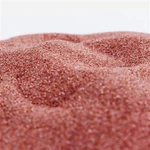
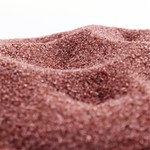
JIANGSU LM MINING CO., LTD. was incorporated in Lianyungang city, Jiangsu Province, China since 2007. It is a mining and production company responsible for natural mineral "Garnet" . Our exporting products include Rock Garnet Abrasive, Alluvial Sea/Alluvial Garnet Abrasive, Blasting Garnet Abrasive, Waterjet Cutting Garnet, Water Filtration Garnet, Polishing Garnet and Wear-resistant Flooring Garnet. Waterjet cutting garnet is a mineral used, thanks to its characteristics, in many cleaning and sandblasting processes. Chemically inert, free of toxic substances, it is not radioactive nor carcinogenic and it is extremely resistant.


Why Choose Us?
Company Strength
We own 3 mines with a total reserve of 6 million tons of almandine ore. Our annual sales volume is 30,000 tons.
Production Market
Our ore is sold to more than 30 countries, including the United States, Canada, South Korea, Indonesia, the Middle East, Singapore, etc.
Quality Assurance
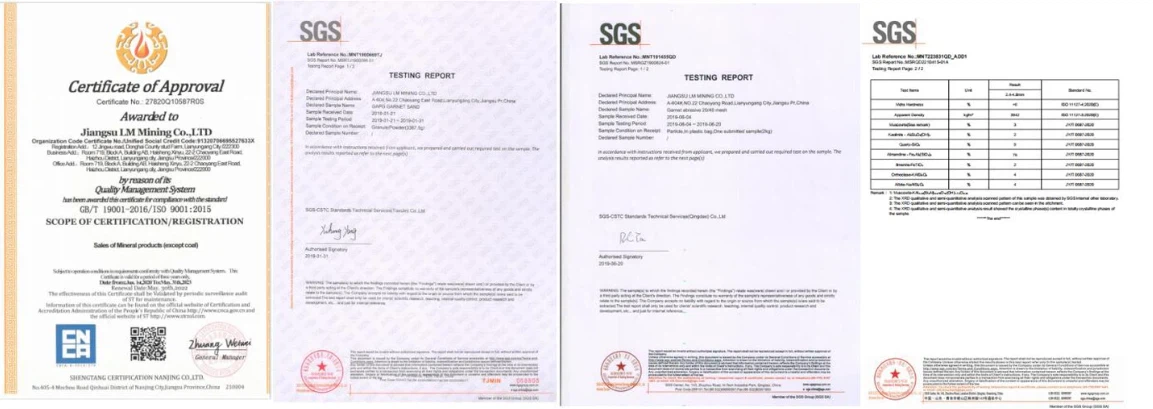
High quality is always our priority to satisfy customer's need. The finishing product meet the standard based on ISO11126 and ISO11127.
Exquisite Craftsmanship
As a specialist for garnet abrasive, we apply the gravity and magnetic concentration principle for processing by purifying, drying, steps of gravity and magnetic choosing.
Types of Titanium Dioxide
Rutile T itanium Dioxide
Rutile is the most common natural form of titanium dioxide (TiO2). It's a mineral that's used in various industries, particularly as a white pigment in paints, paper, and plastics. Rutile is also used in the production of titanium metal and in welding fluxes.
Anatase Titanium Dioxide
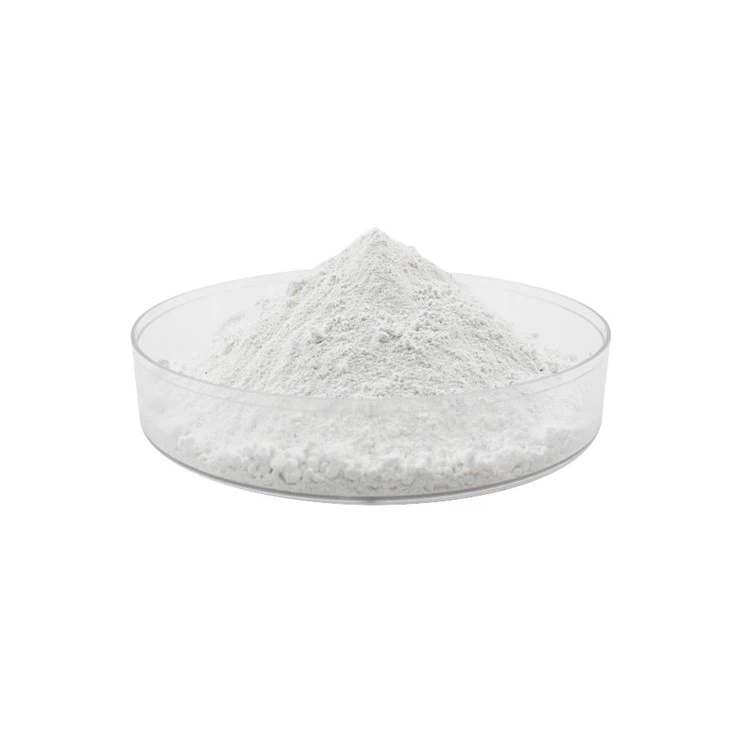
Anatase titanium dioxide (TiO₂) is a specific crystalline form, or polymorph, of titanium dioxide. It's a tetragonal crystalline structure, meaning it has a unique arrangement of atoms compared to other forms like rutile and brookite.
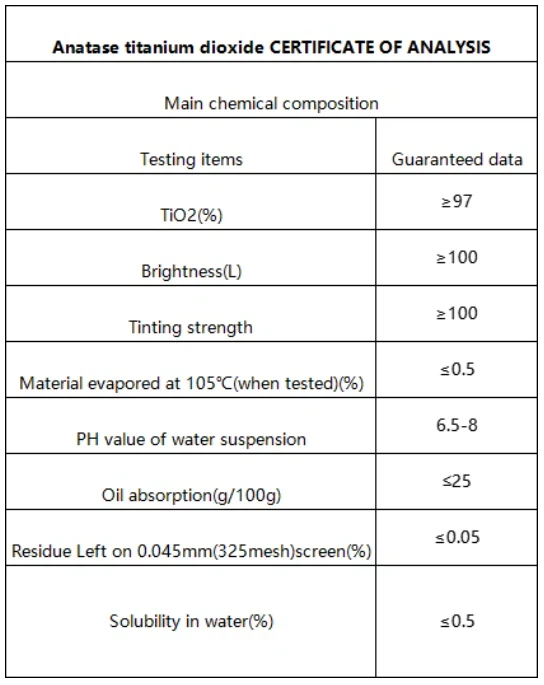
Specifications of Titanium Dioxide
Optical Properties of Titanium Dioxide
Reflection
The Titanium dioxide does reflect light. It not only images but scatters the light, thus preventing any form of light from passing through. TiO2 scatter and reflect both visible as well as UV light. The light it reflects has radiation in the range of 290 up to 700nm.
Transmittance
Titanium dioxide transmit light but under special circumstances. For instance, a single layer of TiO2 over glass can show a transmittance of over 95%. This is true when the wavelength is around 300 up to 1000 nm.
Absorption
The titanium dioxide features a band gap of around 3.1 eV. This prevents the TiO2 from absorbing the light, especially in the visible region. The wavelength range is about 400 up to 700 nm.
Refraction Index
The index of refraction for Titanium dioxide is far higher than other materials. Its refractive index is more than one. This contributes to the higher opacity of the Titanium dioxide.
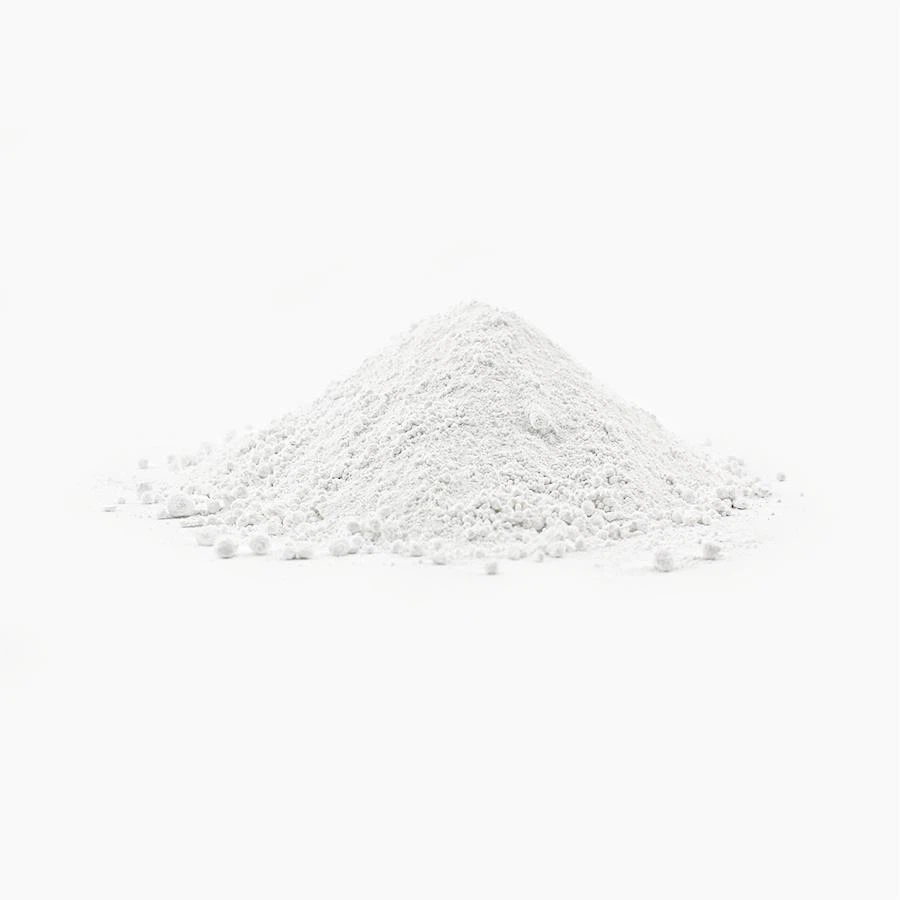
TiO2 is a white noncombustible and odorless powder with a molecular weight of 79.9 g/mol, boiling point of 2972°C, melting point of 1843°C, and relative density of 4.26 g/cm3 at 25°C. TiO2 is a poorly soluble particulate that has been widely used as a white pigment.
Anatase and rutile are two crystal structures of TiO2, with anatase being more chemically reactive. For example, anatase/rutile, 3–5 nm; 100 μg/ml) generated 6 fold more reactive oxygen species (ROS) than rutile after UV irradiation. Indeed, anatase generates ROS when irradiated by UV light.
Physical Properties of Titanium Dioxide
|
Molar mass |
79.866 g/mol |
|
Appearance |
White solid |
|
Odor |
Odorless |
|
Density |
4.23 g/cm3 (rutile) 3.78 g/cm3 (anatase) |
Usage of Titanium Dioxide
RutileTitanium dioxide is non-toxic, with strong photocatalytic action and excellent transparency, therefore, it is used in coatings and products for air purification in indoor environments.
RutileTitanium dioxide has antibacterial functions due to their photocatalytic property which can abolish bacteria or overpower their reproduction.
RutileTitanium dioxide also improves the mechanical properties of particles through dispersion.
RutileTitanium dioxide can be used in various military fields.
Titanium dioxide pigments are also employed as ultraviolet absorbers in products for, cosmetic powders, soaps, tanning, cigarette paper, creams, toothpaste, and the cosmetic industry.
Rutile Titanium dioxide is used universally in the paints and coatings industry, and it has replaced any other white pigment in the market.
Rutile Titanium dioxide is also used to color plastic items such as toys, electronics, cars, furniture, packaging, and so on. The pigment of titanium dioxide absorbs part of the UV radiation protecting its content.
Certificate
Packaging

Transportation
